Addiction & Recovery
You can love the way something makes you feel and hate what it's doing to your life. Both can be true.
Maybe you've started questioning your drinking or substance use. Maybe you've made promises to yourself you haven't kept. Or maybe you're still convincing yourself that everything is fine because, from the outside, your life looks pretty good.
You go to work. You take care of your responsibilities. You show up for the people who depend on you.
But there's another side of your life that people don't necessarily see.
The negotiating. The rationalizing. The secrecy. The promises that tomorrow will be different.
And perhaps the hardest part is that you're not entirely sure you want to stop.
I understand that more than you might think.
At Modern Wellness, you won't find lectures, judgment, or someone telling you everything you're doing wrong. We'll have honest conversations about what you're getting from alcohol or substances, what they're costing you, and what you actually want for yourself.
I'm not here to convince you to live your life a certain way. I'm here to help you understand your choices, recognize patterns, and discover what might be possible when you're no longer fighting the same battles with yourself.
You don't have to hit rock bottom. You don't even have to know if you're ready to quit. You just have to be willing to start an honest conversation.
And if you're wondering whether I could possibly understand what you're going through, I invite you to read my story
-
I know what it's like to enjoy something that isn't good for you.
I know what it's like to justify it, minimize it, and convince yourself that you've got everything under control. I know what it's like to have a really good time and not want to give that up, even when the consequences start outweighing the fun.
Because I've been there.
I'm not just a therapist who has studied addiction. I'm also someone who has lived through it.
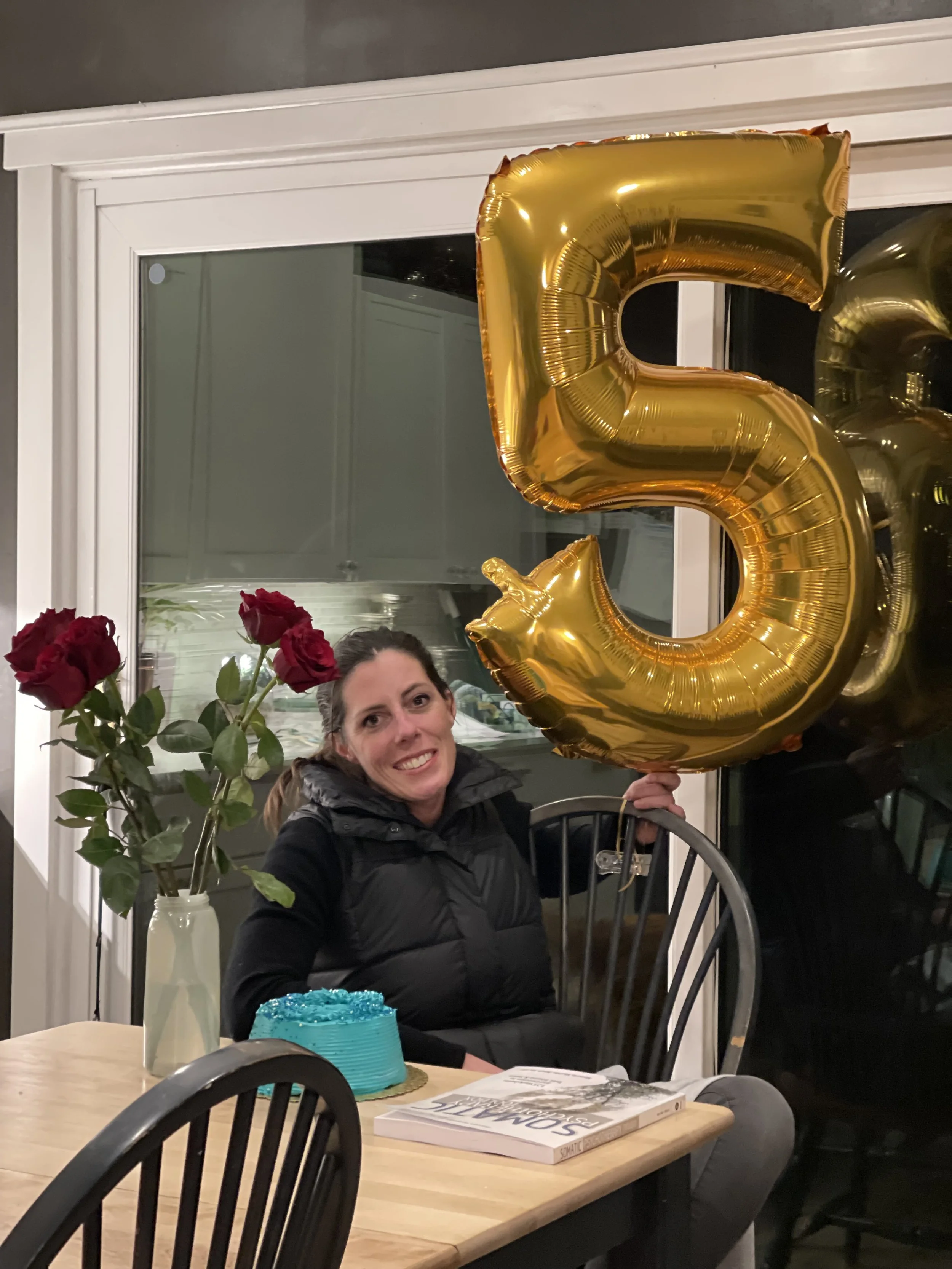
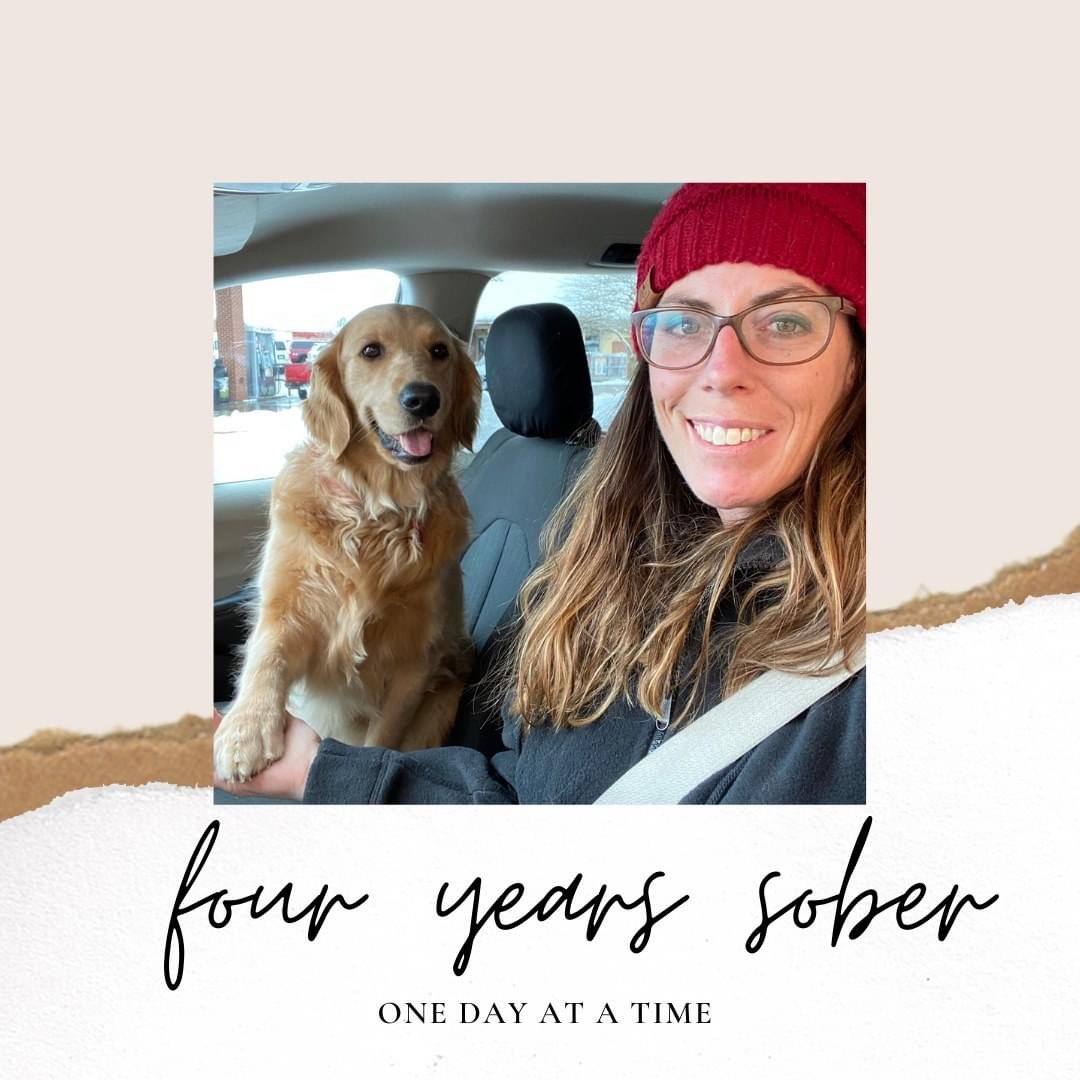
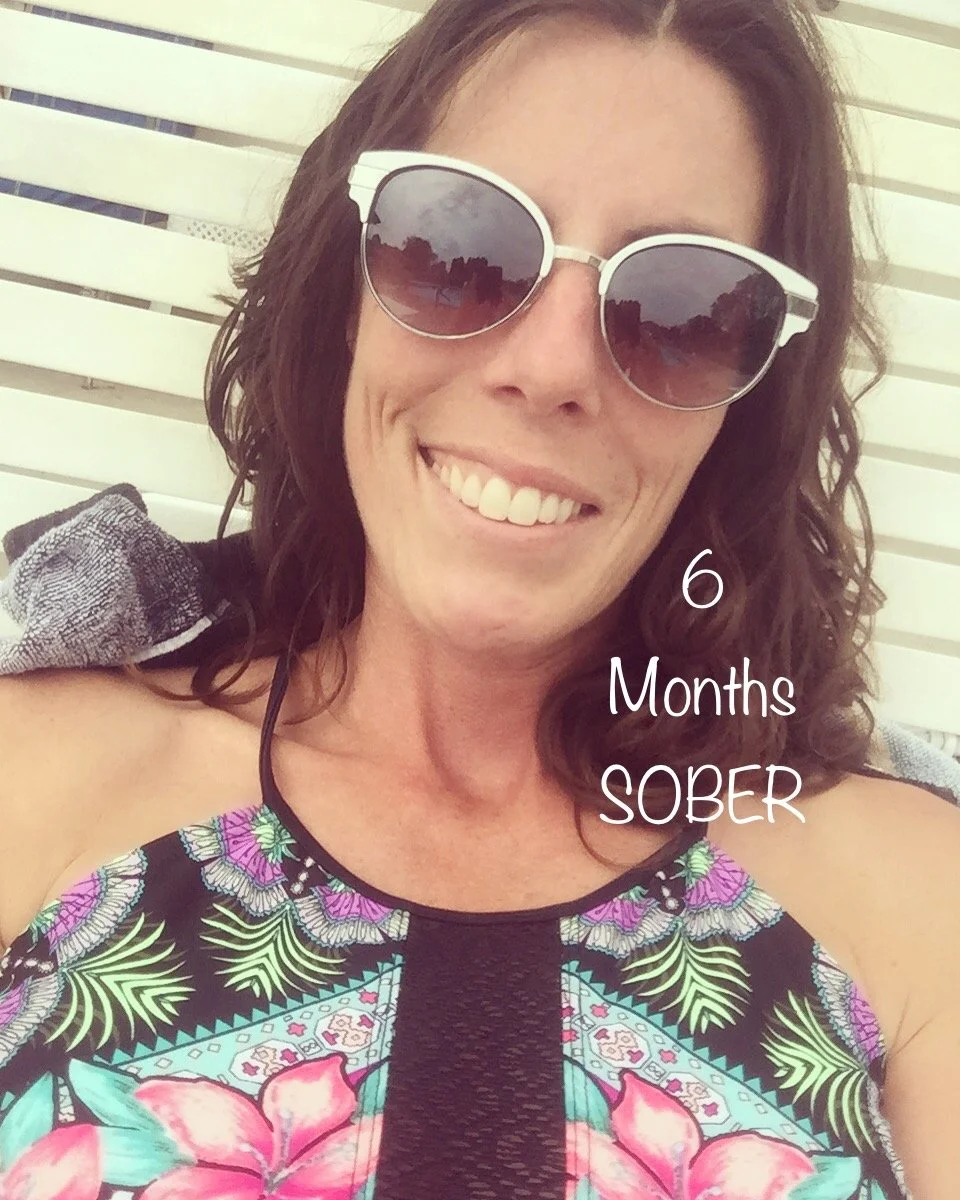
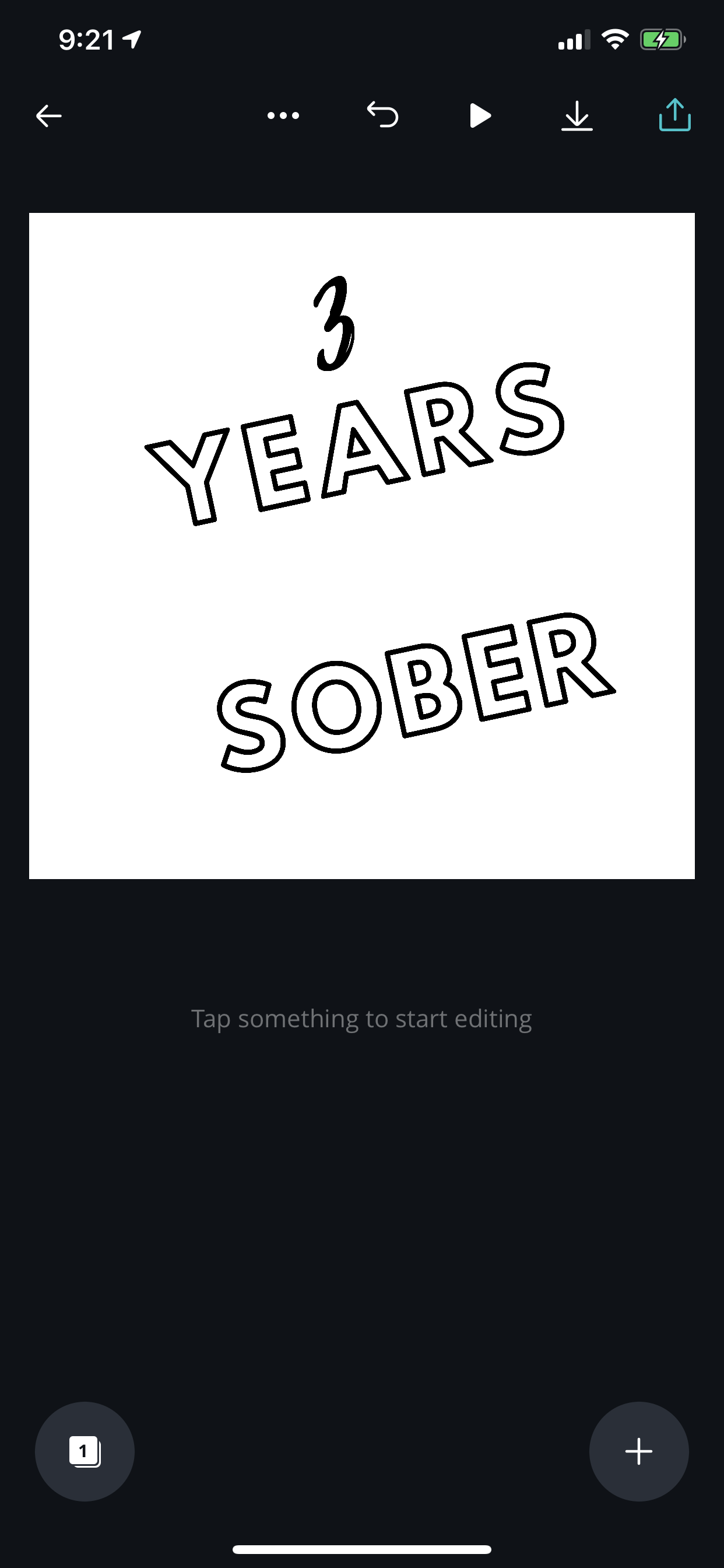
In December 2026, I'll celebrate ten years of sobriety from alcohol.
And I can tell you that I didn't stop drinking because someone finally convinced me that alcohol was bad. I knew the risks. I understood the consequences. I could probably have given you a hundred reasons why I should stop.
But knowing something and being ready to change it are two very different things.
For a long time, alcohol was part of how I had fun, connected with people, and experienced life. And if I'm being truthful, there were some really great memories mixed in with the ones I'd rather forget.
That's part of what makes addiction so complicated.
You can genuinely enjoy something and still recognize that it's taking more from your life than you're willing to give.
My recovery wasn't about suddenly becoming a different person. It was about learning who I could be without alcohol making so many of my decisions.
It meant learning to sit with uncomfortable feelings, taking responsibility for my choices, and discovering that I could still have a full, meaningful, and enjoyable life without drinking.
Nearly ten years later, I don't look at sobriety as something I've been deprived of.
I see it as something I've gained.
And here's what I want you to know:
I'm not going to sit across from you and pretend I don't understand why you keep going back to something that's hurting you.
I understand that part.
But I also know there's another side to it.
You don't have to be ready to give everything up to be ready to talk about what you might want to change.
-
You Don't Have to Have All the Answers Before Starting Therapy.
Maybe you've been thinking about cutting back.
Maybe someone you love is worried about you.
Maybe you've started questioning whether your drinking or substance use is becoming a problem, but you're not ready to call it an addiction.
Or maybe you know exactly what's happening, and you're just not ready to let it go.
We can talk about that.
I'm not going to tell you what your relationship with alcohol or drugs is supposed to look like before we've even had a conversation.
Instead, I want to understand what you're getting out of it.
What does it help you avoid? What does it make easier? What happens when you try to go without it? What are you afraid might change if you stop?
And just as importantly, what has it started costing you?
Your relationships? Your confidence? Your peace of mind? Your ability to trust yourself?
Sometimes, the first step toward change isn't deciding to quit.
It's getting honest about what's happening.
You don't have to walk into therapy with a commitment to sobriety. You can walk in with questions.
We'll start there.
Clinical note: Some patterns of alcohol or drug use require medical evaluation or supervised withdrawal. When appropriate, we'll discuss additional treatment resources and a level of care that supports your safety.
-
Understanding the Cycle Instead of Blaming Yourself
You've told yourself this was the last time.
You've promised you'd cut back, take a break, or stop altogether.
And maybe you did.
For a few days. A few weeks. Sometimes longer.
Then something happened.
A stressful day. An argument. A celebration. A feeling you didn't want to deal with. Or maybe nothing happened at all.
Suddenly, you're right back where you promised yourself you wouldn't be.
And the disappointment can feel worse every time.
Here's what I want you to understand:
Recognizing that something is hurting you doesn't automatically make it easy to stop.
Substance use can become connected to your routines, relationships, emotions, and the ways you've learned to cope with life.
That's why simply telling yourself to have more willpower often isn't enough.
In our work together, we'll look beyond the behavior itself.
We'll explore what happens before you use, what you're hoping to feel or avoid, and what keeps the cycle going.
We'll work on recognizing triggers, managing cravings, responding to difficult emotions, and developing healthier ways to cope.
And if you experience a setback, we're going to talk about it.
Not to shame you.
Not to lecture you.
But to understand what happened and what you can learn from it.
Because recovery isn't built on never making another mistake.
It's built on learning how to respond differently, even when things get difficult.
-
My Recovery. My Journey.